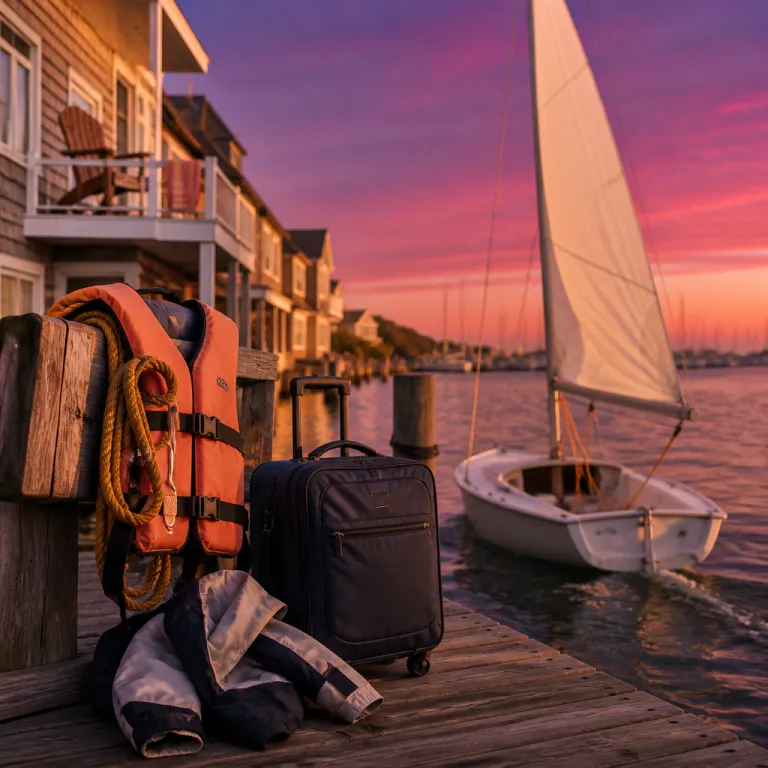
Why cape cod sailing lessons for beginners pair so well with your hotel stay
Choosing a hotel in Cape Cod becomes easier when you frame your stay around beginner sailing lessons and time on the bay. When you know which sailing school, which harbour, and which adult sailing program you prefer, you can narrow your search to properties that keep your walk from lobby to dock under fifteen minutes. That simple decision will shape every day on the water and every hour you spend relaxing back at your room.
Along the eastern side of the cape, Pleasant Bay is a natural classroom for sailing, with sheltered water and steady breezes that help new sailors learn sail techniques without harsh chop. Hotels in Chatham and Orleans place you close to several marinas, where you can book a structured adult sailing course in the morning and still be back in time for a late lunch on the terrace. If you prefer the open sweep of Cape Cod Bay, look at hotels in Hyannis or Barnstable that sit near harbours offering both group lessons and private lessons for guests who want a quieter sailing experience.
When you compare properties, ask how they support guests who sail Cape waters regularly during summer. Some hotels partner with a local sailing school and will arrange your sailing lessons, reserve a sailboat rental, and even organise transport so you do not worry about parking at crowded marinas. Others simply provide information, from tide charts to a discreet mail box at reception where you can leave signed waivers for your chosen sailing program.
Choosing the right bay, sailing school, and hotel location
Not every bay on Cape Cod feels the same when you are learning to sail. Pleasant Bay offers a more protected setting, which many instructors describe as ideal for cape cod sailing lessons for beginners who want a calm first sailing experience. Cape Cod Bay, by contrast, can feel livelier, which appeals to confident adult beginners who are ready to build sailing skills quickly.
Look closely at each sailing school website before you book your hotel, because the best match between school and property will save you time and stress. Many schools outline their adult sailing program clearly, listing how many hrs you will spend on the water each day, what type of boat you will use, and whether life jackets are included or you must bring your own. If you plan to combine sailing with wildlife excursions, consider pairing a Hyannis or Provincetown hotel with a whale watching cruise by using a resource such as this guide to Cape Cod whale watching tours and hotel pairings.
When you contact a sailing school, ask specific questions about teaching sailing methods and class size, because these details matter more than glossy photos. A good school will explain how instructors handle mixed groups of adult and teen sailors, how they structure private sailing sessions, and how they adapt the sailing program when wind conditions change suddenly. If the answers feel vague or you sense they want you to skip content and just sign up, choose another provider that respects your time and safety.
How to schedule your summer days around lessons, tides, and ferries
Once you have chosen your hotel and sailing school, the next step is shaping each summer day so that cape cod sailing lessons for beginners fit naturally into your rhythm. Many schools run two or three blocks of lessons per day, often in two hour or three hour segments, and the best hotels will help you coordinate breakfast, transport, and late check out when needed. Ask reception for printed tide tables, because the timing of high water can influence when your boat leaves the dock.
Travellers who plan to explore several parts of the cape often combine sailing with ferry trips to Nantucket or Martha’s Vineyard. In that case, it helps to choose a hotel near Hyannis or Falmouth and use a planning resource such as this guide on how to sync ferries, hotels, beaches, and sailing. With a clear schedule, you can enjoy a morning sailing experience in Pleasant Bay, spend the afternoon on a ferry, and still return to your room in time for a quiet evening swim.
During June July, demand for both ferry tickets and sailing lessons rises sharply, so advance reservations are essential. Many hotels will hold your luggage in a secure room if your sailing program runs beyond check out hour, which makes it easier to enjoy your final sail without rushing. When you confirm your booking, note the exact hrs of each lesson in a travel app or even on a simple card you keep near your bedside mail box, so nothing gets lost in the shuffle of a busy holiday.
Understanding lesson formats, private sailing, and what to expect on the water
For cape cod sailing lessons for beginners, you will usually choose between group lessons and private sailing, each offering a different pace and style. Group sessions often run for two to three hrs, with four to six students sharing a small sailboat under the guidance of one instructor. Private lessons cost more per hour but give you undivided attention, which can accelerate how quickly you learn sail techniques and refine your sailing skills.
Most schools provide essential safety gear, including life jackets in a range of sizes, but you should confirm this when you book. Ask whether the boat is a stable daysailer, a small keelboat, or a lighter dinghy, because the feel on the water changes significantly between these types of sailboat. If you are nervous, request a heavier keelboat for your first sailing experience, as its weight and design can make the motion on the bay feel more pleasant.
Adult sailing students often appreciate a clear structure, so look for a sailing program that outlines what you will learn on each day. A thoughtful school will explain how they progress from basic rigging and steering to points of sail, tacking, and simple navigation, always matching the pace to the comfort level of new sailors. When a provider takes time to describe their approach to teaching sailing, it signals respect for you as a guest and helps you choose a hotel schedule that supports your time on the cape.
Practical details: parking, rentals, and how your hotel can help
Logistics can make or break cape cod sailing lessons for beginners, especially during peak summer weeks. Before you confirm your room, ask the front desk how long it takes to reach your chosen sailing school and whether marina parking is usually available or fills by mid morning. Some hotels near Pleasant Bay even run small shuttles, which means you can leave the car behind and step straight from lobby to boat without stress.
If you do plan to drive, clarify whether the sailing centre offers free or paid parking and how far the walk is from your car to the dock. Carry only what you need for a few hrs on the water, because sailboat decks have limited space and you want to move easily when you tack or jibe. Many hotels provide beach towels, lightweight bags, and even water resistant phone pouches, so you can travel light between your room and the bay.
Rental options vary widely, from fully skippered boats to bareboat rentals reserved for experienced sailors familiar with local conditions. As a beginner, you will usually start with instruction rather than a pure rental, but some schools allow you to transition into supervised rentals once your sailing skills improve. When you see a website footer that reads “all rights reserved” and lists clear rental terms, it is a small sign that the operator treats both legal details and guest safety with equal seriousness.
Curating a refined beach and sailing experience around your Cape Cod hotel
Once the essentials are in place, you can curate a stay that blends cape cod sailing lessons for beginners with quiet beach time and thoughtful dining. Choose a hotel that offers easy access to both a sandy shore and a marina, so you can move from morning sail to afternoon swim without long drives across the cape. Properties along Pleasant Bay and Cape Cod Bay often strike this balance, giving you a front row seat to changing light on the water throughout the day.
Many travellers pair an adult sailing course with spa treatments or wine tastings, creating a rhythm that feels both active and restful. After three hrs of focused sailing school drills, a late afternoon on a sheltered beach can feel especially pleasant, and your hotel concierge can suggest coves where the wind drops and the sand stays warm. If you are planning fishing charters alongside your sailing experience, consult a resource such as this guide on how fishing charter prices shape your hotel choice to align budgets and locations.
Over several days, you will notice how your confidence grows as you learn sail trim, read gusts on the bay, and communicate clearly with fellow sailors happy to share the cockpit. By the end of a well designed sailing program, many adult guests feel ready to handle a small boat under supervision and start planning their next visit to sail Cape waters again. When you check out, leave feedback at reception rather than skip content on the comment card, because thoughtful notes help both hotels and sailing schools refine the way they welcome future beginners.
Key figures that shape Cape Cod sailing and coastal stays
- According to the Massachusetts Office of Travel and Tourism, Cape Cod welcomes several million visitors each summer season, which explains why June July sailing lessons and hotel rooms near major harbours often sell out weeks in advance.
- Data from the U.S. Coast Guard indicate that wearing life jackets could prevent the majority of recreational boating fatalities, a statistic that underlines why reputable sailing schools on the cape insist that all adult and youth students wear them on the water.
- Tourism reports for Barnstable County show that coastal activities such as sailing, whale watching, and fishing charters account for a significant share of visitor spending, so hotels that support easy access to the bay often achieve higher occupancy and guest satisfaction scores.
- Harbour authorities on Cape Cod note that typical beginner sailing sessions last between two and three hrs, a duration that allows new sailors to practise core manoeuvres without fatigue while still leaving ample time to enjoy beach or dining plans later in the day.
FAQ: Cape Cod sailing lessons for beginners and hotel planning
How many days should I plan for beginner sailing lessons on Cape Cod ?
Most visitors benefit from at least three to five days of structured lessons, with two to three hrs on the water each day. This duration allows you to move from basic steering and sail handling to more confident manoeuvres while still enjoying beach time and local dining. If you have only a short stay, consider private lessons to make the most of each hour.
Is Pleasant Bay better than Cape Cod Bay for first time sailors ?
Pleasant Bay is generally more sheltered, which many beginners find reassuring when they first learn sail techniques. Cape Cod Bay can offer stronger breezes and livelier chop, which suits students who are comfortable on the water and eager to progress quickly. Your choice should match both your confidence level and the location of your hotel.
What should I look for in a Cape Cod sailing school ?
Prioritise schools that clearly outline their sailing program, instructor qualifications, safety policies, and the type of sailboat used for lessons. Confirm that life jackets are provided, class sizes are reasonable, and teaching sailing methods are adapted for adult beginners. Transparent communication before you book is often the best indicator of a high quality sailing experience.
Can I combine sailing lessons with other coastal activities during my stay ?
Yes, many travellers pair cape cod sailing lessons for beginners with whale watching, fishing charters, or ferry trips to nearby islands. The key is to schedule your hrs on the water carefully so that activities do not overlap and you still have time to relax at your hotel. Choosing a property near a major harbour makes these combinations much easier.
Do I need prior boating experience to join an adult sailing course ?
No previous boating experience is required for most adult sailing programs on Cape Cod, as they are designed specifically for newcomers. Instructors will start with safety, basic terminology, and simple manoeuvres before progressing to more advanced sailing skills. If you feel anxious, request a slower paced group or book one or two private sailing sessions to build confidence.