Why Cape Cod fall foliage feels different from inland New England
Cape Cod fall foliage does not shout from mountain ridges, it glows along water and sand. On the outer cape in Massachusetts, you trade classic New England fall colors in a beech forest for bronze salt marshes, cranberry bogs the color of garnets, and white cedar swamps that hold their green while maples flame inland. This is the time of year when you will find the light low, the air dry, and the beaches almost empty, which matters if you are choosing a hotel for quiet walks more than poolside cocktails.
Think of a foliage getaway here as a sideways move from the usual leaf peeping route through the Berkshires or the north woods of New England, because the palette runs from rust to gold to cranberry red rather than only sugar maple orange. On the bay side, especially between Brewster and Orleans, the marshes behind places like Paine’s Creek and Skaket Beach turn a deep ochre by mid October, and those marsh colors reflect in the tidal creeks at low tide. Stay in a small inn or classic seaside hotel within cycling distance of the Cape Cod Rail Trail and you can step straight from your room onto a bike for sunrise rides through this softer foliage cape landscape.
For travelers used to inland cod fall road trips, the surprise here is how close the foliage sits to the ocean and how often you see it from a dune, a boardwalk, or a kettle pond beach. The National Seashore’s mix of cedar swamp, pitch pine, and scrub oak means the foliage in this part of the cape turns later than in the hill towns of western Massachusetts, so late October can still feel like peak season cape. If you plan your visit around this shoulder period, you will find lower hotel rates, easier restaurant reservations, and a quieter version of New England fall that suits walkers, cyclists, and kayakers who prefer space over spectacle.
Flooded cranberry bogs and how to see the harvest respectfully
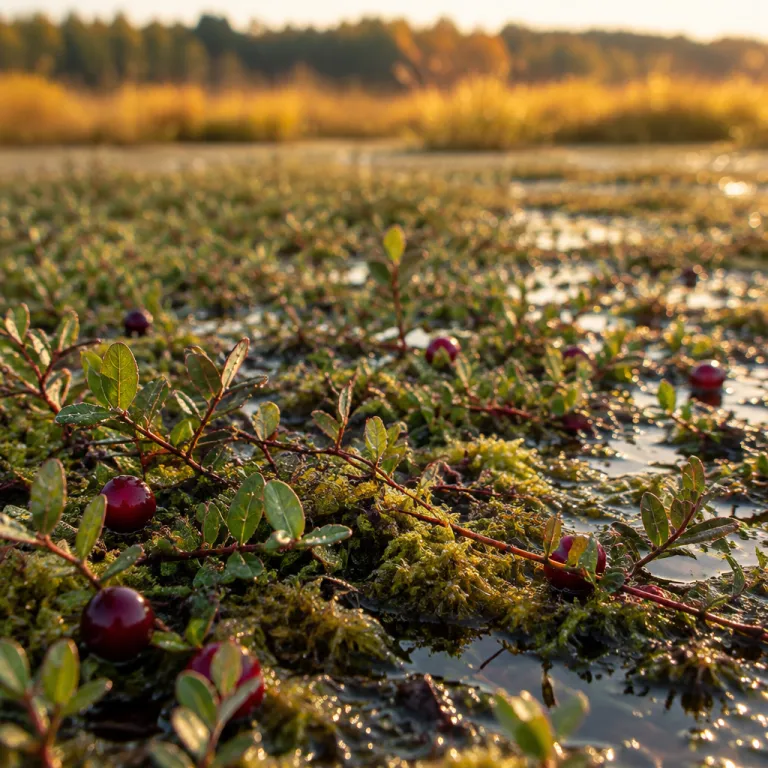
The wet cranberry harvest is the visual heart of Cape Cod fall foliage, and it usually runs through much of October when the berries are fully colored and the air is cool enough for workers in waders. In a wet harvest, growers flood their cranberry bogs so the ripe berries float to the surface, turning each rectangle of water into a dense carpet of red that rivals any foliage cape hillside. Stand at the edge of a public roadside bog on the mid cape and you will find the contrast of blue sky, red fruit, and green white cedar windbreaks as striking as any classic New England fall postcard.
Remember that cranberry bogs are working farms, not theme parks, so treat them with the same etiquette you would bring to a vineyard or orchard during harvest season. Do not walk into the bog, do not block narrow farm roads with your car, and always stay behind any posted fences or ditches, because this time of year the growers are moving equipment and managing water levels constantly. When you visit, look for safe pull offs along secondary route corridors rather than stopping on fast moving roads, and consider pairing a short bog stop with a walk in nearby Nickerson State Park, where the kettle ponds and beech forest pockets add classic fall colors to your cranberry themed day.
For hotel planning, base yourself near Brewster, Harwich, or Dennis if you want easy access to both bogs and the bay side marshes that define cod fall on the cape. Many local properties sit within a short drive of small, often unsigned bog complexes, so ask at the front desk for guidance on which places are safe to view from public roads at this time year. After an early leaf peeping loop past a few working farms, you can be back at your hotel by midday for a warm drink before heading out again to watch the tide slide under the boardwalks at one of the best Cape Cod beaches in the shoulder season, where the marsh grasses glow almost as brightly as the cranberries.
Golden marshes, cedar swamps, and the quiet Rail Trail corridor
If your idea of Cape Cod fall foliage leans more toward motion than roadside stops, build your days around the Cape Cod Rail Trail and the web of paths that feed into it. This paved trail runs for dozens of kilometres through the mid and outer cape, threading past kettle ponds, cedar swamp pockets, and long stretches of salt marsh that turn a deep mustard color by mid October. Book a hotel in Orleans, Eastham, or Wellfleet and you will find that a pre breakfast ride or walk on the trail gives you front row seats to the season cape shift from summer green to fall colors without ever needing to move your car.
North of Orleans, the Rail Trail brushes the edge of Nickerson State Park, where loops around Cliff Pond and Flax Pond reveal a mix of beech forest, oak, and white pine that delivers a more traditional New England fall scene. In Eastham and Wellfleet, short spurs lead toward the National Seashore, where cedar swamp boardwalks and white cedar groves hold their own subtle foliage, and the dunes open suddenly to ocean views that feel almost private in late October. This is where leaf peeping becomes a full body activity, because you can bike to a trailhead, lock up, and walk a swamp trail or dune path before rolling back to your hotel for a hot shower and a bowl of chowder.
For an even deeper sense of how fall cape life shifts after Labor Day, time your visit around shoulder season events that celebrate cycling and quiet roads, such as the kind of charity rides highlighted in pieces like why fall beats summer on the Cape for cyclists. Staying near the trail means you will find it easy to ride to local cafés, bayside beaches, and small museums without wrestling for parking, which changes the entire feel of a foliage getaway. The rhythm becomes simple : ride or walk in the morning, linger over a late lunch, then head back out for a sunset stroll along a marsh edge where the only sounds are distant gulls and the soft crackle of drying reeds.
Designing a low key foliage day from your Cape Cod hotel
Think of your Cape Cod fall foliage day as a series of short, sensory chapters rather than one long drive, because distances on the cape are small but the textures change quickly. Start from your hotel with a thermos of coffee and walk or bike a nearby trail segment, whether that is the Rail Trail, a state park loop, or a simple neighborhood route that passes marshes and cedar swamp edges. You will find that the combination of cool air, low angled light, and the rustle of oak leaves underfoot makes even a modest stroll feel like a foliage cape immersion.
Late morning is a good time year to aim for a public overlook or roadside pull off near cranberry bogs, when the sun is high enough to light the water but the workers may be on a break, reducing traffic around the fields. Keep your visit brief and respectful, take your photos from a distance, then move on to a warm lunch in a local spot that stays open past summer, where you can ask staff about their favorite fall cape walks or quiet beaches. Many of these restaurants sit near small harbors or river mouths, so you can pair your meal with a short dockside walk that frames cod fall colors against working boats and weathered shacks.
Afternoons lend themselves to slower pursuits : a museum visit in a nearby town, a loop through Nickerson State Park, or a drive along the bay side where you can stop at two or three different places to watch the tide slide through golden marsh grass. If you enjoy craft beer, consider planning one evening around a coastal brewery crawl using guidance like this planning a hotel stay around Cape Cod's best local breweries resource, which helps you align your lodging with taprooms that stay lively well into October. End the day back at your hotel with windows cracked to the cool air, knowing you have tasted a quieter, more local version of New England fall that trades crowds for texture and light.
FAQ
When is the best time to see Cape Cod fall foliage near the coast ?
Coastal Cape Cod fall foliage generally peaks from mid to late October, which is slightly later than inland Massachusetts because the surrounding water moderates temperatures. Salt marshes and cranberry bogs often show their strongest colors in this late October window, while oak and beech forest pockets in Nickerson State Park and similar areas can hold color into early November. If you are booking a hotel specifically for leaf peeping, aim for stays between the second and fourth weeks of October to balance color, open businesses, and lighter crowds.
Where can I see cranberry bogs without joining a formal tour ?
You can see cranberry bogs from many public roads on the mid and upper cape, especially in towns like Harwich, Dennis, and Sandwich, where agriculture and residential areas sit side by side. Look for rectangular, low lying fields bordered by dikes and white cedar windbreaks, and always pull off only where it is legal and safe to park. Because many bogs are private farms, stay on the road shoulder, avoid blocking driveways, and keep visits short so workers can move equipment freely during harvest.
Which Cape Cod towns work best as a base for outdoor fall activities ?
For easy access to the Cape Cod Rail Trail, Nickerson State Park, and a mix of bay and ocean beaches, Orleans and Brewster make strong bases. Eastham and Wellfleet suit travelers who prioritize National Seashore trails, cedar swamp boardwalks, and quieter harbors, while Falmouth on the upper cape offers bike paths, salt marsh views, and ferry access to the islands. When choosing a hotel, look for properties within walking or cycling distance of a trailhead so you can leave the car parked most of the day.
Do I need a car to enjoy fall colors and marshes on Cape Cod ?
A car makes it easier to reach scattered cranberry bogs and smaller marsh overlooks, but you can still experience strong Cape Cod fall foliage with a bike and strategic hotel choice. Staying near the Rail Trail or the Shining Sea Bikeway lets you ride directly to salt marshes, kettle ponds, and beaches without driving. If you arrive by bus or ferry, consider renting a bike locally for at least one full day to expand your range beyond the immediate town center.
How does fall on Cape Cod compare to inland New England for leaf peeping ?
Inland New England fall usually means dense hillsides of maple and birch that peak earlier, often in late September or early October, while Cape Cod fall foliage peaks later and leans on different textures. Here the drama comes from golden salt marshes, cranberry bogs in wet harvest, and the contrast between muted oak canopies and bright dune grasses along the shore. If you value ocean views, quiet beaches, and the ability to pair leaf peeping with coastal walks and seafood, the cape offers a more understated but deeply atmospheric alternative to mountain foliage trips.