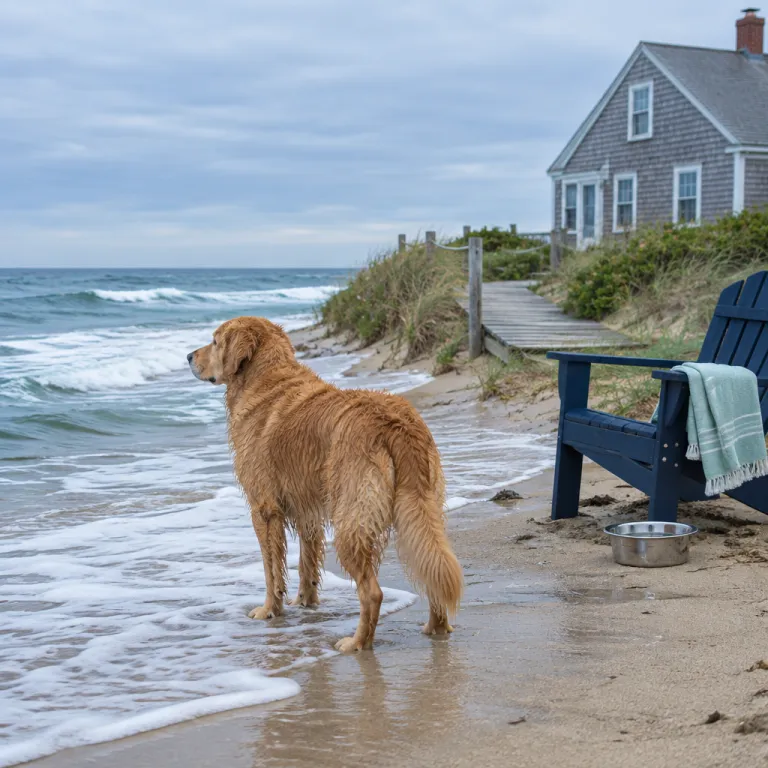
Cape Cod dog friendly beaches list for hotel guests
Cape Cod rewards travellers who plan their beach days around local dog regulations rather than guessing at the parking lot. A thoughtful, dog friendly beach shortlist helps you match each shoreline with the right town, tide, and hotel location. When you book a room in any beach cape area, you want to know exactly where dogs are allowed, at what times, and how far those spots sit from your chosen property.
Along the Outer Cape, the Cape Cod National Seashore protects more than 60 kilometres of Atlantic-facing coastline. These wild beaches offer vast sand, cold clear water, and some of the best sunrise views for an early dog walk. Many sections of the national seashore allow leashed pets outside signed lifeguard zones, but rules change by day and season, so always check the latest National Park Service guidance on the official Cape Cod National Seashore maps or at visitor centres.
Closer to the Mid Cape, beaches in Yarmouth, Dennis, and Barnstable sit near larger hotel clusters and casual, dog friendly restaurants. Here, town-managed shoreline stretches usually have stricter periods when no dogs are allowed on the sand during peak summer daylight hours. If you prefer flexible access, consider lodging near off-the-beaten-path bayside coves where dog policies can be more relaxed in the early morning and evening, especially outside school holiday weeks.
Outer Cape and Provincetown: seashore freedom and Race Point
Provincetown sits at the very tip of the cape and is widely regarded as one of the best dog friendly bases in New England. Many travellers build their personal list of Cape Cod pet friendly beaches around this town because hotels, galleries, and restaurants frequently welcome dogs on patios and terraces. The compact layout means you can walk from your room to the beach, the harbour, and the main commercial streets in a single day without needing to move your car.
Race Point Beach, part of the Cape Cod National Seashore, offers sweeping dunes and powerful Atlantic water that feels wonderfully remote. On this beach, dog access rules typically permit leashed pets year round outside lifeguarded swim zones, though shorebird nesting areas can trigger temporary closures that are clearly marked on seasonal NPS beach condition reports. The nearby Race Point Lighthouse trail and the wider park network give you long, quiet walks that feel far removed from busy seashore beaches closer to Boston.
Herring Cove and the long strand towards Hatches Harbor also feature on most dog friendly beach guides for Provincetown. These areas combine easier parking with gentler surf, which suits older dogs that prefer calmer water and shorter strolls. If you prefer a more rustic stay, compare pet friendly camping with hookups to hotel-style comfort using a detailed Cape Cod camping sites with hookups guide before you book, and note how far each campground sits from the nearest dog friendly shoreline.
Brewster, bayside towns, and tidal flats for relaxed walks
On the quieter north side of Cape Cod, Brewster and neighbouring bayside towns offer gentle beaches where the tide retreats for hundreds of metres. Families who value calm water and long tidal flats often place these beaches high on any dog friendly Cape Cod itinerary. When the tide is out, dogs can explore firm sand and shallow pools, while you enjoy wide open views towards Martha’s Vineyard on clear days.
Brewster’s town beaches usually require a seasonal parking sticker for non residents during the main summer period, typically from late June through Labour Day according to town regulations. Hotel guests should ask front desks whether day parking passes are available, whether the property participates in any shared sticker programme, or whether a short walk or cycle path connects the hotel directly to the beach. Because these beaches face Cape Cod Bay rather than the open Atlantic, the water is warmer and the surf gentler, which suits small dogs and cautious swimmers.
Several inns and larger hotels in Brewster, Orleans, and Eastham market themselves as dog friendly, but policies vary widely. Before you reserve, review whether dogs are allowed in all room types, which common areas are off limits, and how close you are to the nearest park or trail. For a broader comparison of coastal stays with pets, use a specialised pet friendly hotels in Cape Cod guide that evaluates leash rules, cleaning fees, and access to dog friendly beaches, and then cross-check those details against recent guest reviews and each property’s own policy page.
Mid Cape and Yarmouth: balancing access, parking, and pet rules
The Mid Cape region, especially Yarmouth and Hyannis, concentrates many of the cape’s larger hotels, making it a practical base for varied beach days. Travellers who want both family amenities and pet access should build a flexible plan that mixes town beaches with nearby conservation areas and walking trails. Because these towns manage their own shorelines, dog rules can differ sharply from the national seashore policies only a short drive away, so it pays to read each town’s posted regulations rather than assuming consistency.
In Yarmouth, several south-facing beaches offer warm, relatively shallow water and convenient facilities such as restrooms and snack shacks. During peak summer, many of these shoreline stretches prohibit dogs between morning and early evening, with typical bans running from around 8 a.m. to 5 p.m., so early walks and sunset visits become the best options. Expect to pay for a day parking pass or obtain a multi-day parking sticker, which your hotel concierge can often help you arrange by directing you to the correct town office or online application form.
Hyannis and neighbouring Barnstable villages provide a mix of harbour walks, small park areas, and sandy coves where dog access periods are clearly posted at each entrance. When you evaluate hotels here, ask how far you must walk from the lobby to the nearest beach access point or parking lot, and whether sidewalks or crosswalks make that route safe with a leashed pet. If you are balancing pet fees with overall trip costs, a resource on Cape Cod cheap places to stay can help you compare nightly rates without sacrificing proximity to dog friendly stretches of sand.
Seasonal rules, Memorial Day to Labor Day, and planning your stay
Most coastal towns on Cape Cod tighten their dog rules between Memorial Day and Labor Day, when visitor numbers and lifeguard coverage peak. During this period, many town-managed beaches only allow dogs early in the morning or after late afternoon, while some national seashore sections retain more flexible access outside guarded swim zones. If you are booking a hotel specifically for beach time with your dog, always align your travel dates with the policies of your preferred beaches and confirm any changes on official town or NPS websites.
Outside the high summer window, especially in spring and autumn, many beaches revert to more relaxed rules where dog access policies cover most of the day. This shoulder season pattern often means you can walk the full length of a shoreline without encountering restricted zones, though shorebird nesting closures can still apply on seashore beaches and are usually listed on current NPS advisories. Hotels also tend to reduce minimum stay requirements then, giving you more freedom to sample different towns and refine your personal map of Cape Cod’s most welcoming dog friendly beaches.
Winter stays appeal to travellers who value quiet, empty beaches and crisp air more than swimming-friendly water. In these months, you will often find free parking, minimal competition for ocean view rooms, and wide open park trails where dogs can enjoy long leashed walks. When you speak with hotel staff, ask which nearby shoreline areas remain ploughed or easily accessible after storms, as local knowledge about winter maintenance can transform a cold day into a memorable coastal outing.
Practical tips for hotel guests: access, etiquette, and nearby amenities
Choosing the right hotel on Cape Cod means looking beyond pet fees to the full experience of daily beach access. A strong dog friendly beach plan should note not only where dogs are allowed, but also how you will reach each shoreline from your room. Walking distance, parking availability, and nearby restaurants that welcome pets on outdoor seating all shape how relaxed your stay will feel.
When a beach requires a parking sticker, confirm whether your hotel can provide one or whether you must purchase a day pass at the parking lot or town hall. Some properties partner with local towns to simplify this process, while others rely on public park facilities that operate on a first-come basis with limited capacity on hot weekends. If you prefer to avoid driving, prioritise hotels within one kilometre of at least one dog friendly shoreline, even if that means a smaller room or fewer on-site amenities such as pools or large lobbies.
Respectful behaviour keeps beaches open to pets and maintains good relations between visitors and residents. Always keep your dog leashed where required, pack waste bags, and steer clear of signed wildlife zones along the national seashore and other protected areas. By aligning your hotel choice, daily routines, and respect for local regulations, you help ensure that beaches across Cape Cod remain welcoming places for both people and dogs, and you make it easier for future travellers to enjoy the same access.
Key figures on Cape Cod dog friendly travel
- According to the National Park Service, the Cape Cod National Seashore protects roughly 176 square kilometres of land and water, giving dog owners extensive off-season walking options compared with many smaller coastal destinations.
- Provincetown’s tourism office reports that more than half of local lodging properties accept pets, a significantly higher share than the national average for coastal towns in the United States and a key reason the town markets itself as a dog friendly hub.
- Town of Brewster data indicate that seasonal beach parking stickers account for a large portion of summer beach access, so hotel guests without stickers should budget for daily parking fees at popular bayside beaches or plan to arrive early before lots fill.
- Surveys from regional hospitality associations show that pet fees on Cape Cod hotels typically range between 25 and 75 US dollars per night, which can materially affect the total cost of a week-long stay with one or more dogs when you compare properties.
FAQ about Cape Cod dog friendly beaches and hotels
Which Cape Cod towns are best for dog friendly beaches near hotels ?
Provincetown, Brewster, and several Mid Cape towns such as Yarmouth offer the strongest combination of pet friendly lodging and accessible beaches. Provincetown excels for walkability and flexible national seashore access, while Brewster provides calm bayside flats close to inns and resorts. Yarmouth and Hyannis suit travellers who want larger hotels with straightforward driving access to multiple beaches and conservation areas.
Are dogs allowed on Cape Cod National Seashore beaches in summer ?
Leashed dogs are generally allowed on many national seashore beaches outside lifeguarded swim zones and signed wildlife protection areas. During summer, specific stretches may close to pets because of shorebird nesting, so visitors should always check current maps and advisories from the National Park Service before heading out. Hotel front desks near the seashore often keep updated information and can suggest alternative access points if your first-choice beach is restricted.
Do I need a parking sticker to visit town beaches with my dog ?
Most Cape Cod towns require a seasonal parking sticker or daily fee for non residents at popular beaches during the main summer period. Some hotels provide limited beach passes or shuttle services, while others rely on guests purchasing day parking at the lot or through town websites. Always confirm these details before booking, especially if you plan multiple daily trips with your dog and want to avoid unexpected costs.
When is the best time to visit Cape Cod with a dog ?
Spring and autumn often provide the best balance of mild weather, flexible dog access, and lower hotel rates. Between Memorial Day and Labor Day, many town beaches restrict daytime dog access, though early mornings and evenings can still work well for walks and quick swims. Outside that window, you will usually find quieter beaches, easier parking, and more relaxed walks along both bay and ocean shores.
How can I choose a hotel that truly suits travelling with dogs ?
Look beyond basic pet acceptance and examine where the property sits relative to your preferred beaches, parks, and walking routes. Ask about on-site green space, nearby sidewalks, and any partnerships with local services such as groomers or pet sitters. Reading recent guest reviews that mention dogs can reveal how well a hotel supports four-legged travellers in practice, from staff attitudes to the availability of water bowls and waste stations.